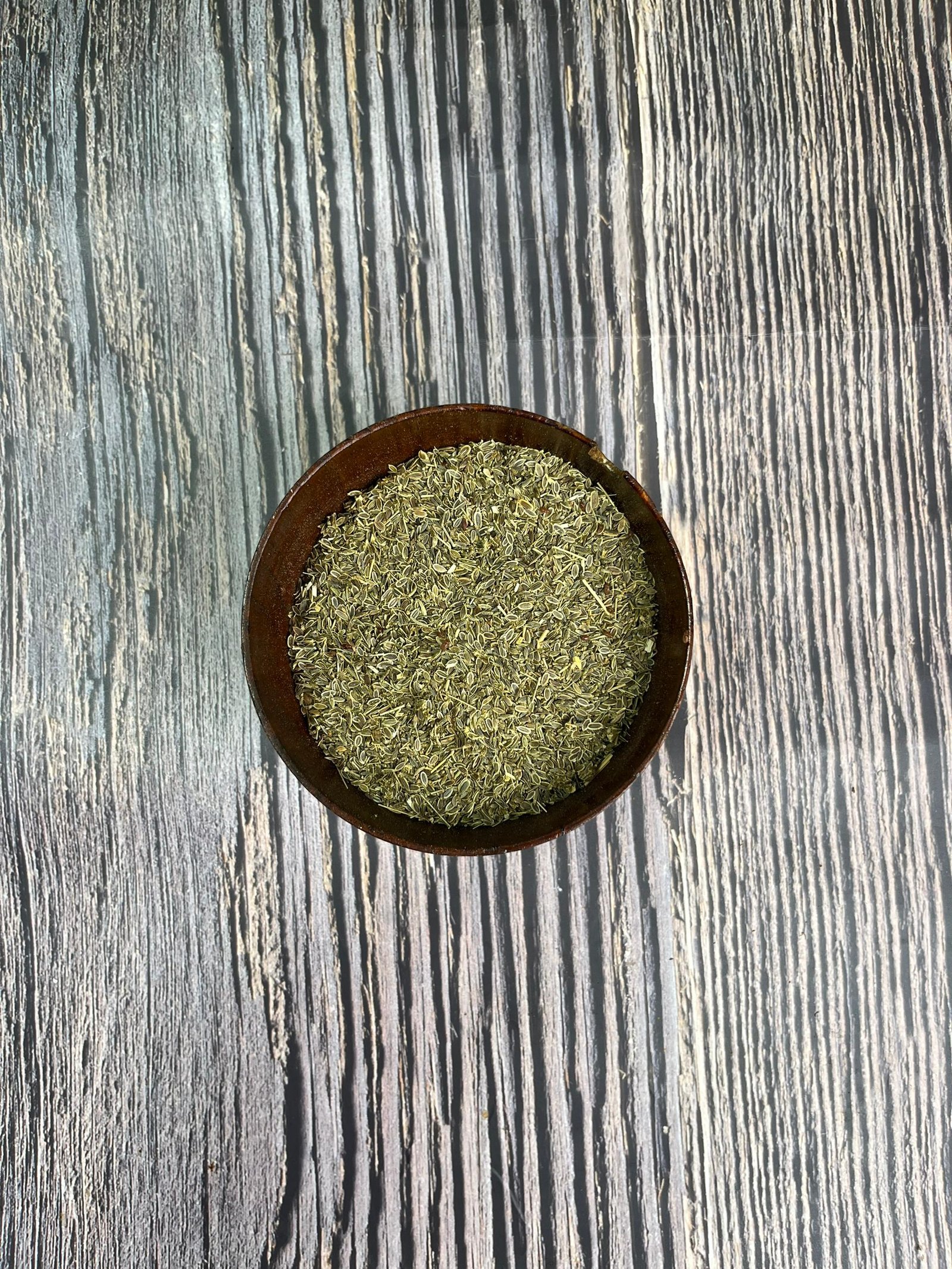
Dill seeds are the dried fruit of the dill plant (Anethum graveolens), which belongs to the parsley family. They have a strong, slightly tangy, and herbal flavor that resembles caraway or fennel. These seeds are used in various cuisines worldwide, particularly in pickles, salads, soups, and Mediterranean dishes. In addition to their culinary uses, dill seeds are known for their potential medicinal properties, especially for digestive health and as an anti-inflammatory agent.
POTENTIAL HEALTH BENEFITS
Digestive Health: Dill seeds have long been used to support digestion. They help reduce indigestion, bloating, and gas by promoting the production of bile and relieving discomfort in the stomach.
Antioxidant-Rich: Dill seeds are packed with antioxidants, such as flavonoids and polyphenols, that help neutralize free radicals and support overall health.
Anti-Inflammatory: The essential oils in dill seeds possess anti-inflammatory properties, making them beneficial in managing inflammation-related conditions like arthritis or muscle pain.
Relieves Cramps: Dill seeds can be used to relieve muscle spasms and menstrual cramps, thanks to their antispasmodic properties.
Antibacterial and Antifungal: Dill seeds have antimicrobial properties, which help in fighting off infections, particularly in the digestive tract.
Blood Sugar Regulation: Dill seeds have been traditionally used to help manage blood sugar levels, making them useful for those looking to support healthy glucose metabolism.
POTENTIAL USES
Dill seeds are commonly used in cooking, particularly in pickling, as well as in soups, stews, curries, sauces, and salads. They can also be used as a spice in bread or baked goods.
Dill seed tea is popular for its digestive benefits and calming effects. It can also help relieve minor indigestion and promote relaxation.
Dill seed extract can be used in tinctures to address digestive issues and to support overall well-being.
Dill seed oil is used in aromatherapy and massage oils, offering soothing properties for relaxation and pain relief.
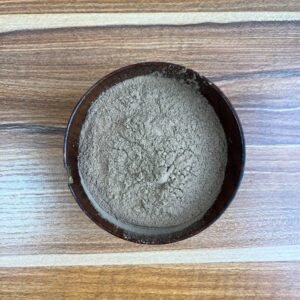
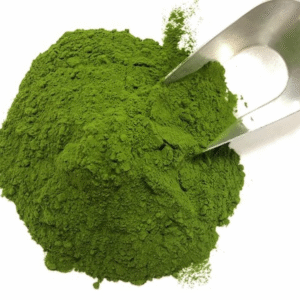
The powder can be incorporated into skincare products to soothe and calm irritated skin, thanks to its antimicrobial and anti-inflammatory properties.
HOW TO USE
Add 1/2 teaspoon of ground dill seeds to salads, dips, or dressings. Dill seeds can also be sprinkled over roasted vegetables or mixed into bread dough for flavor.
To make dill seed tea, steep 1 teaspoon of whole dill seeds in hot water for 5-10 minutes, then strain and drink.
Dill seed powder can be mixed with carrier oils like coconut or olive oil and applied to inflamed or irritated skin for soothing benefits.
PRECAUTIONS
Pregnancy and Breastfeeding: Dill seeds are generally considered safe when used in moderation, but it’s advisable to consult a healthcare provider before using them medicinally during pregnancy or breastfeeding.
Allergic Reactions: Although rare, some individuals may experience allergic reactions to dill seeds, especially if they have allergies to plants in the parsley family.
Drug Interactions: Dill seeds may interact with medications that regulate blood sugar or blood pressure. It’s recommended to consult with a healthcare provider if you are on any medication.
This product is not evaluated by the Food and Drug Administration (FDA). It is intended for educational purposes only and is not designed to diagnose, treat, cure, or prevent any disease.


Reviews
There are no reviews yet.