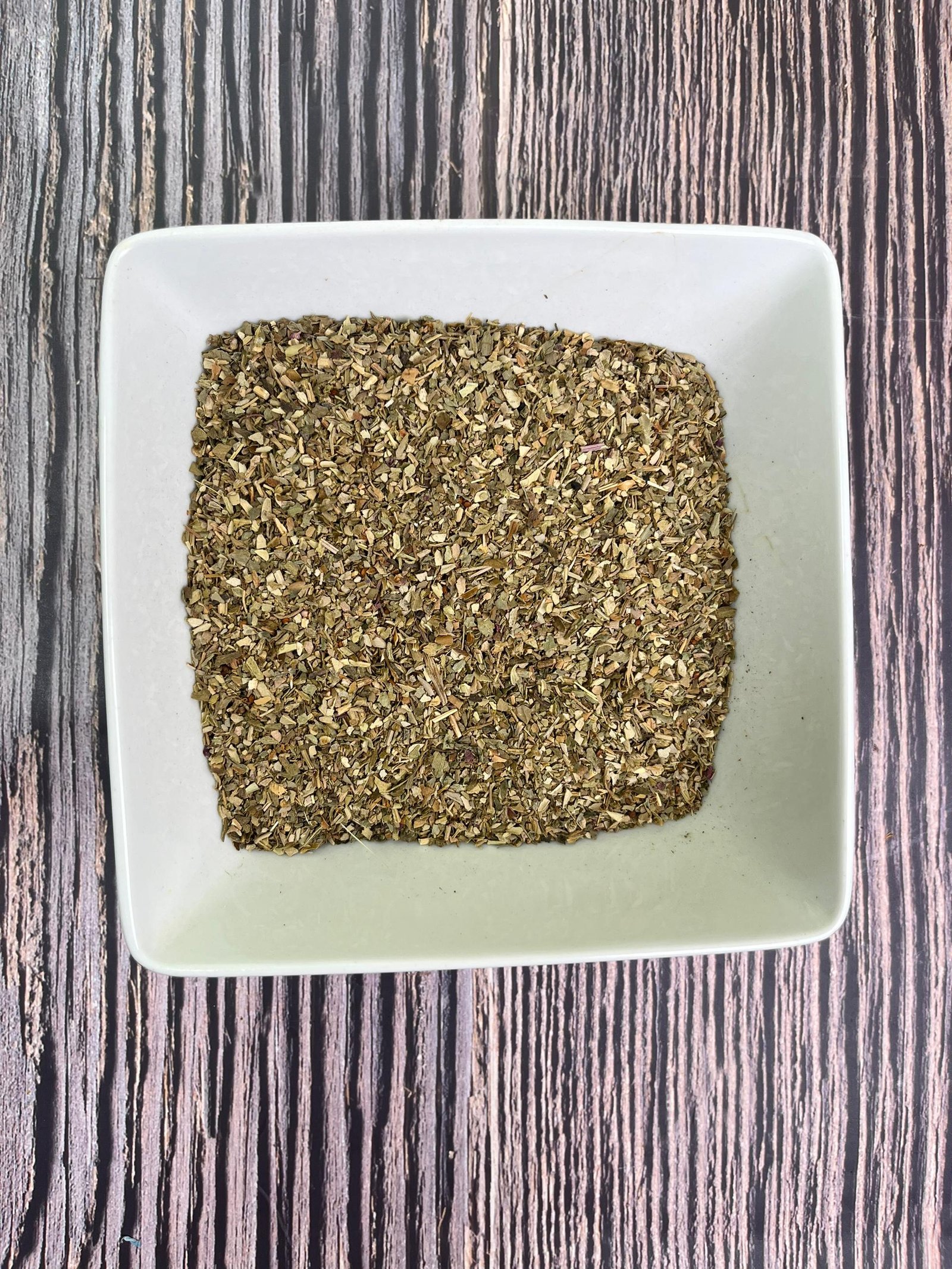
Common Name: Sweet Basil
Scientific Name: Ocimum basilicum
Origin: Native to tropical Asia and Africa, now widely cultivated globally
POTENTIAL HEALTH BENEFITS
Anti-inflammatory Properties: Contains compounds that may help reduce inflammation in the body.
Digestive Support: Can aid in digestion and reduce bloating and indigestion when consumed as a tea or in dishes.
Rich in Antioxidants: Contains flavonoids, essential oils, and polyphenols that protect cells from oxidative stress.
Supports Respiratory Health: May help relieve symptoms of colds, coughs, and other respiratory issues.
Promotes Healthy Skin: Antioxidant and anti-inflammatory effects may support skin health by reducing acne and irritation.
PRECAUTIONS
Allergies: Some individuals may have an allergic reaction to basil or other herbs in the mint family.
Pregnancy: Use with caution during pregnancy as high amounts may have uterine stimulant effects.
Drug Interactions: Consult with a healthcare provider before using basil for medicinal purposes, especially if taking medications for blood clotting or diabetes.
USAGE TIPS
Add the recommended amount of sweet basil leaves to smoothies, teas, or juices for an herbal nutrient boost.
Fresh leaves can be chopped and added to salads, pasta, soups, and pizzas.
Use in pesto, dressings, and sauces for enhanced flavor.
Steep leaves in hot water to make a fragrant tea.
Dry and crush the leaves for use as a seasoning in cooking.
STORAGE
Store fresh basil leaves in the refrigerator in a damp paper towel or a container with a lid. Dried basil should be kept in an airtight container in a cool, dark place to preserve flavor.
DISCLAIMER
This product has not been evaluated by the Food and Drug Administration (FDA). It is intended for educational purposes only and is not designed to diagnose, treat, cure, or prevent any disease.




Reviews
There are no reviews yet.