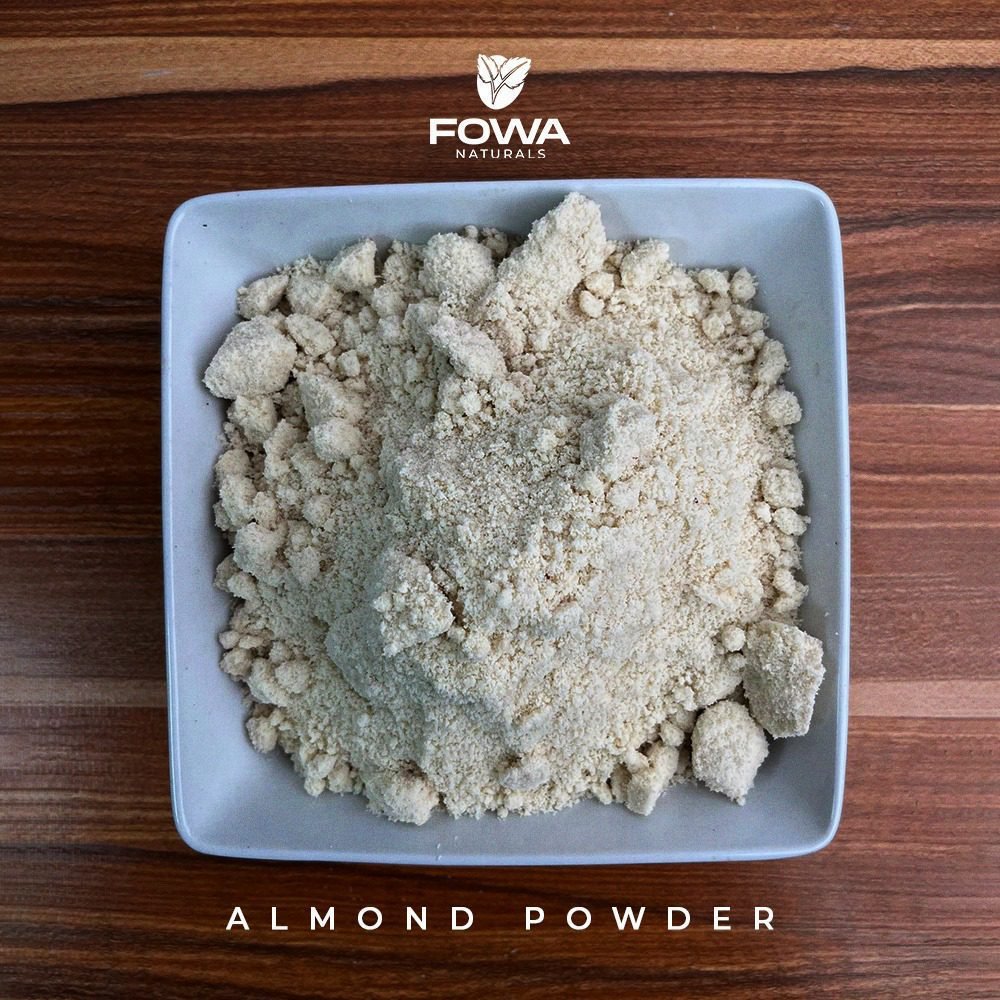
Almond powder, also known as almond flour or ground almonds, is made by finely grinding raw or blanched almonds into a soft, versatile powder. It is commonly used in gluten-free and low-carb baking, as well as a thickening agent in sauces and soups. Almond powder has a mild, nutty flavor and a light, fluffy texture, making it an ideal substitute for wheat flour in various recipes. Packed with essential nutrients, almond powder is not only a culinary staple but also a valuable addition to health-conscious diets.
POTENTIAL HEALTH BENEFITS
Rich in Nutrients: Almond powder is a good source of vitamin E, magnesium, protein, and healthy fats, contributing to overall health.
Gluten-Free Alternative: Naturally gluten-free, it is an excellent option for individuals with gluten sensitivities or celiac disease.
Heart Health: The monounsaturated fats in almond powder can help reduce “bad” LDL cholesterol levels and support cardiovascular health.
Blood Sugar Control: Almond powder has a low glycemic index and is suitable for maintaining stable blood sugar levels, making it a good choice for diabetics.
Supports Bone Health: Contains calcium, magnesium, and phosphorus, which are essential for strong bones and teeth.
Weight Management: High in fiber and protein, almond powder promotes satiety, helping to control hunger and support healthy weight management.
Digestive Health: The fiber in almond powder aids digestion and promotes gut health.
PRECAUTIONS
Nut Allergies: Almond powder is not suitable for individuals with nut allergies. Consider alternative flours, such as coconut or rice flour, if necessary.
Caloric Content: Almond powder is calorie-dense, so portion control is important to avoid excessive calorie intake.
Storage: Store almond powder in an airtight container in a cool, dry place to prevent it from becoming rancid. For extended shelf life, refrigerate or freeze the powder.
Oxalates: Almonds naturally contain oxalates, which can interfere with calcium absorption in excessive amounts. Those prone to kidney stones should consume almond powder in moderation.
USAGE TIPS
Substitute almond powder for wheat flour in baking at a 1:1 ratio, although recipes may need slight adjustments for texture.
Use almond powder as a coating for meats or vegetables for a gluten-free, crispy crust.
Blend it into smoothies or yogurt for an extra boost of nutrients and flavor.
DISCLAIMER
These statements have not been evaluated by the Food and Drug Administration (FDA). This product is intended for educational purposes only and is not designed to diagnose, treat, cure, or prevent any disease.


Reviews
There are no reviews yet.