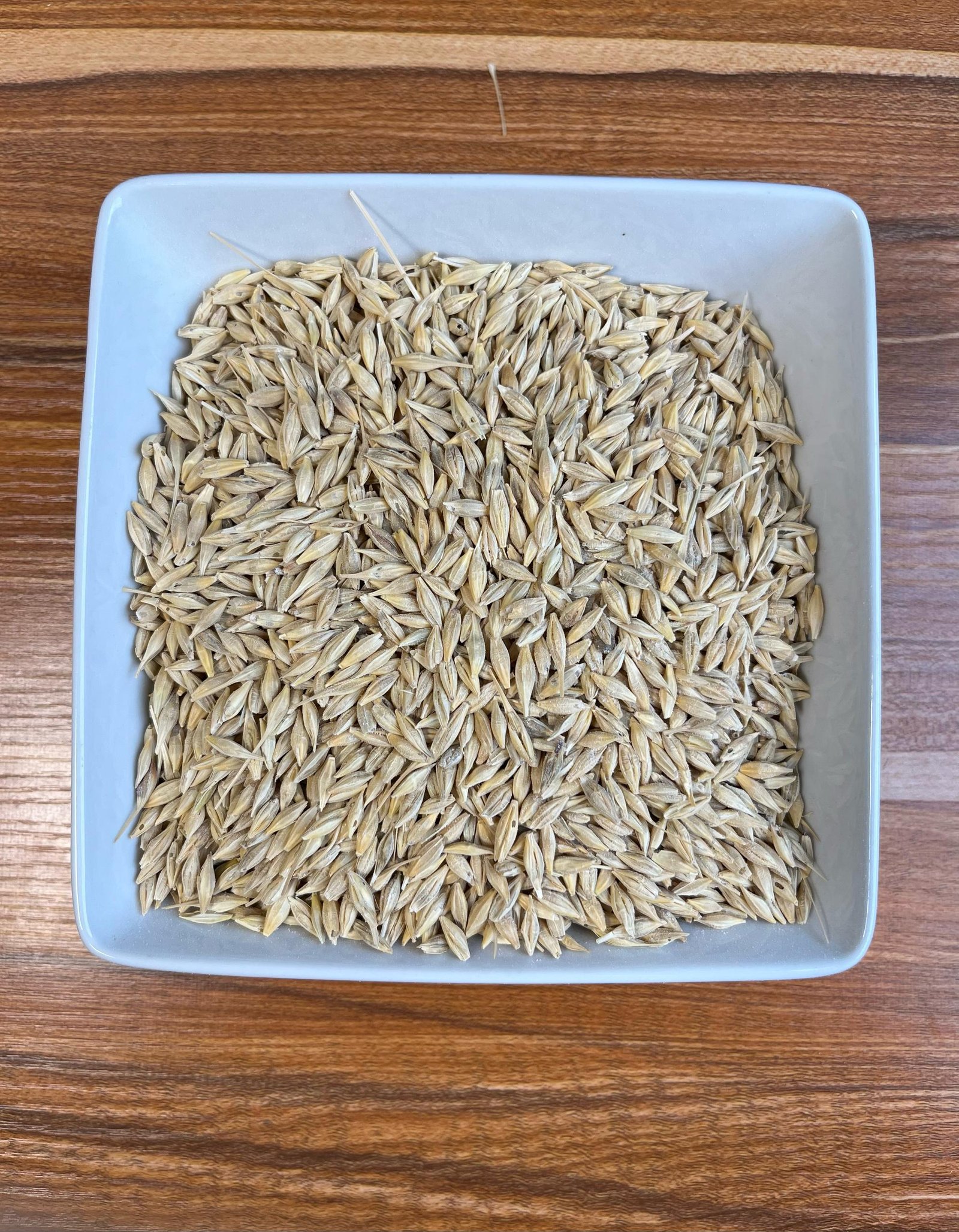
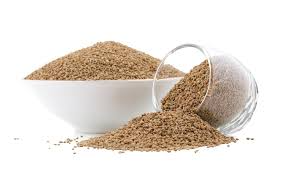
Common Name: Barley Seed
Scientific Name: Hordeum vulgare
Origin: Cultivated worldwide, particularly in regions like Europe, North America, and Asia
POTENTIAL HEALTH BENEFITS
Digestive Health: Rich in dietary fiber, especially beta-glucans, which support digestive function and regular bowel movements.
Heart Health: Helps lower cholesterol levels and reduce the risk of heart disease due to its fiber and antioxidant content.
Blood Sugar Control: The soluble fiber in barley seeds may help regulate blood sugar levels, making it suitable for individuals with diabetes.
Rich in Nutrients: Packed with essential minerals like magnesium, selenium, and phosphorus, supporting overall health.
Supports Weight Management: The fiber content in barley seeds promotes satiety, aiding in appetite control and weight management.
PRECAUTIONS
Gluten Content: Barley seeds contain gluten and are not suitable for individuals with celiac disease or gluten sensitivity.
Allergies: Individuals allergic to barley or other grains should avoid consuming barley seeds.
Storage: Store in a cool, dry place to prevent moisture and pest contamination.
USAGE TIPS
Add barley seeds to soups, stews, and salads for texture and a nutritional boost.
Use in baking, such as in bread, muffins, or cookies.
Cook barley seeds and serve as a side dish, similar to rice or quinoa.
Incorporate into smoothies for added fiber and nutrients.
STORAGE
Store in an airtight container in a cool, dry place to maintain freshness. For longer shelf life, keep in the refrigerator or freezer.
DISCLAIMER
This product has not been evaluated by the Food and Drug Administration (FDA). It is intended for educational purposes only and is not designed to diagnose, treat, cure, or prevent any disease.



Reviews
There are no reviews yet.