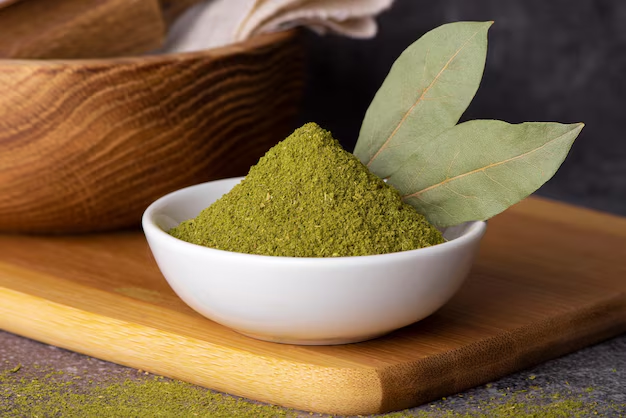
Common Name: Bay Leaf
Scientific Name: Laurus nobilis
Origin: Native to the Mediterranean region
POTENTIAL HEALTH BENEFITS
Digestive Health: Known to support digestion and help relieve symptoms of indigestion, bloating, and gas.
Anti-inflammatory: Contains compounds that may help reduce inflammation in the body, promoting joint and muscle health.
Rich in Antioxidants: Bay leaves contain antioxidants that protect the body from oxidative stress and support immune function.
Blood Sugar Control: Some studies suggest bay leaves may assist in regulating blood sugar levels.
Respiratory Health: The leaves may help ease respiratory issues like coughs and congestion when brewed as tea.
PRECAUTIONS
Not to Be Eaten Whole: Bay leaves are typically not eaten whole due to their sharp edges, as they can pose a choking hazard or cause injury to the digestive tract.
Allergies: Individuals with allergies to plants in the Lauraceae family should avoid bay leaves.
Pregnancy: Large quantities may not be safe during pregnancy, so use in moderation and consult a healthcare provider.
USAGE TIPS
Add the recommended number of dried bay leaves to soups, stews, sauces, and casseroles for a flavorful infusion.
Use bay leaves in slow-cooked dishes like curries, marinades, or rice.
Remove the leaves before serving as they are too tough to eat.
Brew bay leaf tea by steeping the leaves in hot water for a calming, aromatic drink.
STORAGE
Store dried bay leaves in an airtight container in a cool, dry place, away from sunlight, to preserve their aroma and flavor.
DISCLAIMER
This product has not been evaluated by the Food and Drug Administration (FDA). It is intended for educational purposes only and is not designed to diagnose, treat, cure, or prevent any disease.


Reviews
There are no reviews yet.